2026 DN World Championship Final: From Vilde to Maalinn
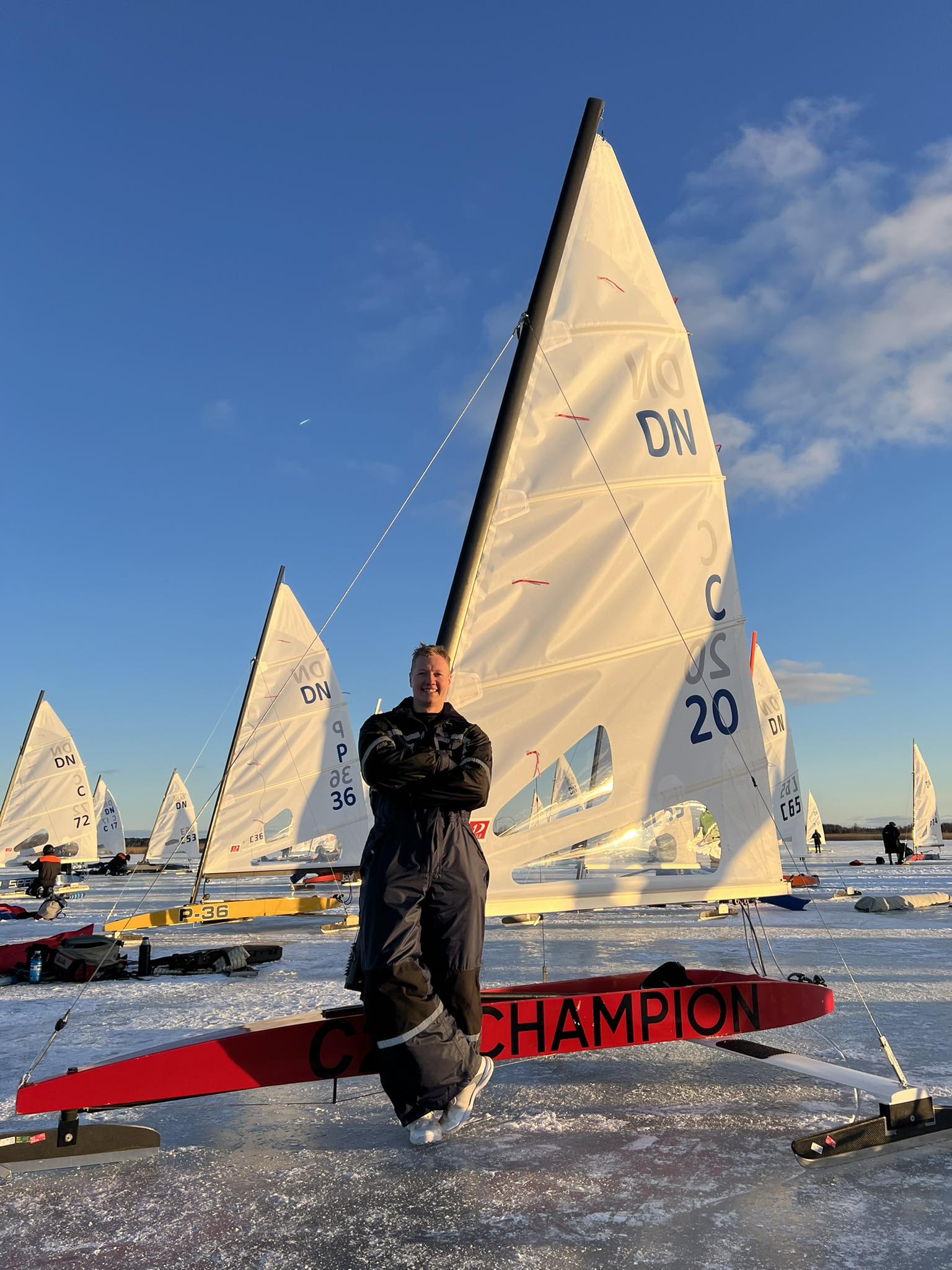
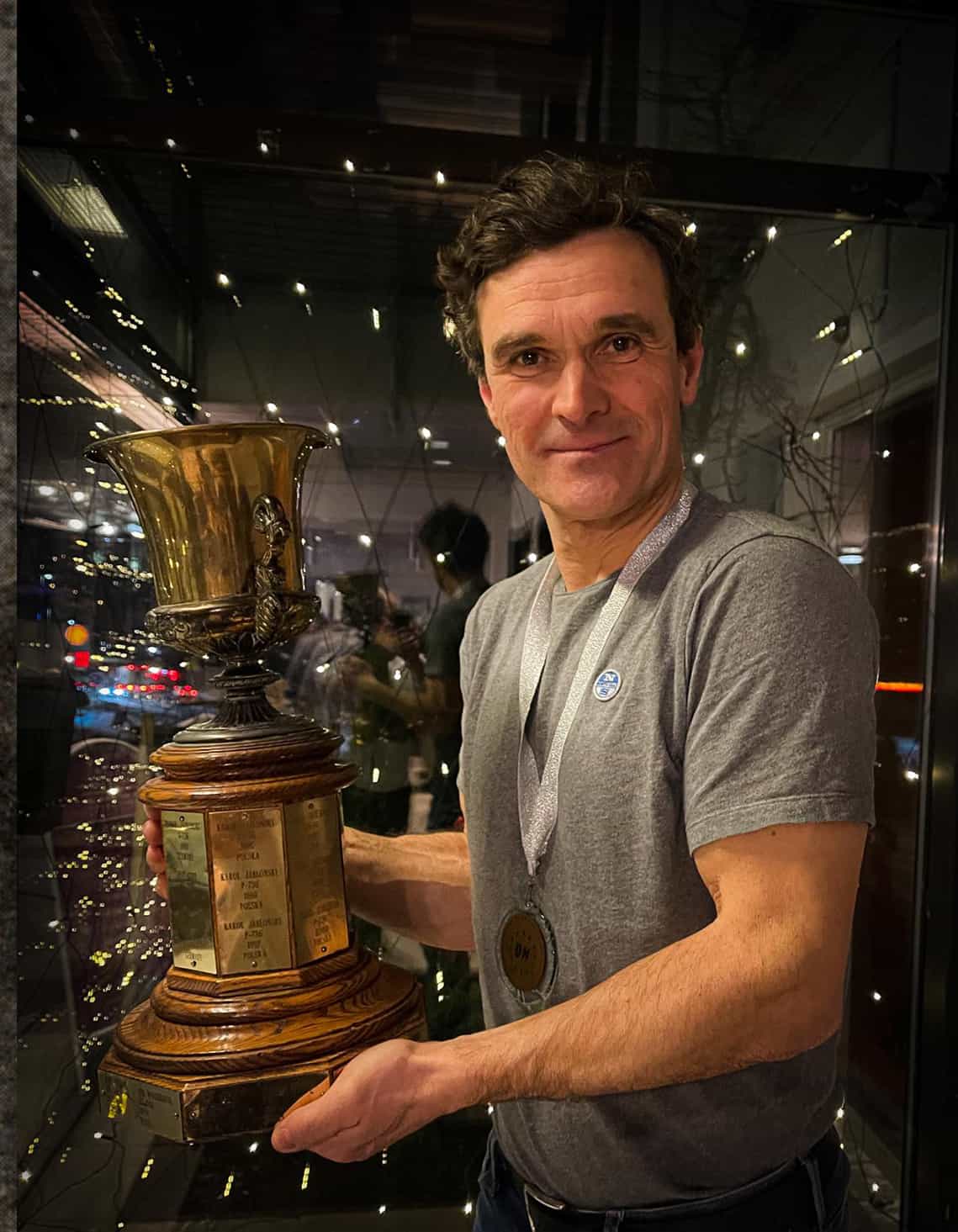
Rasmus Maalinn C20, 2026 IDNIYRA Champion
Estonia’s wait is over.
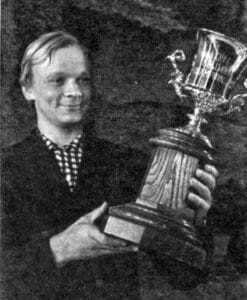
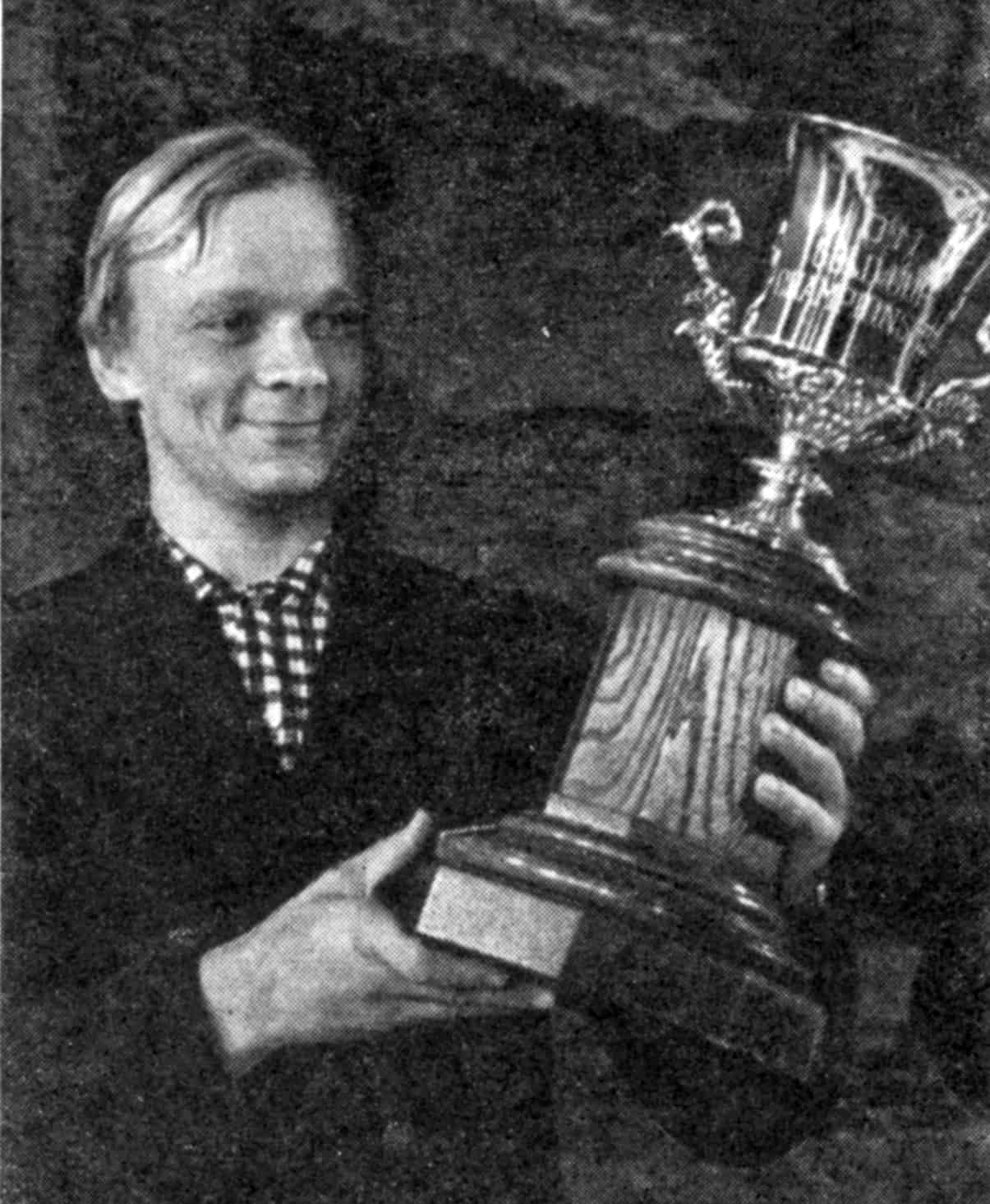
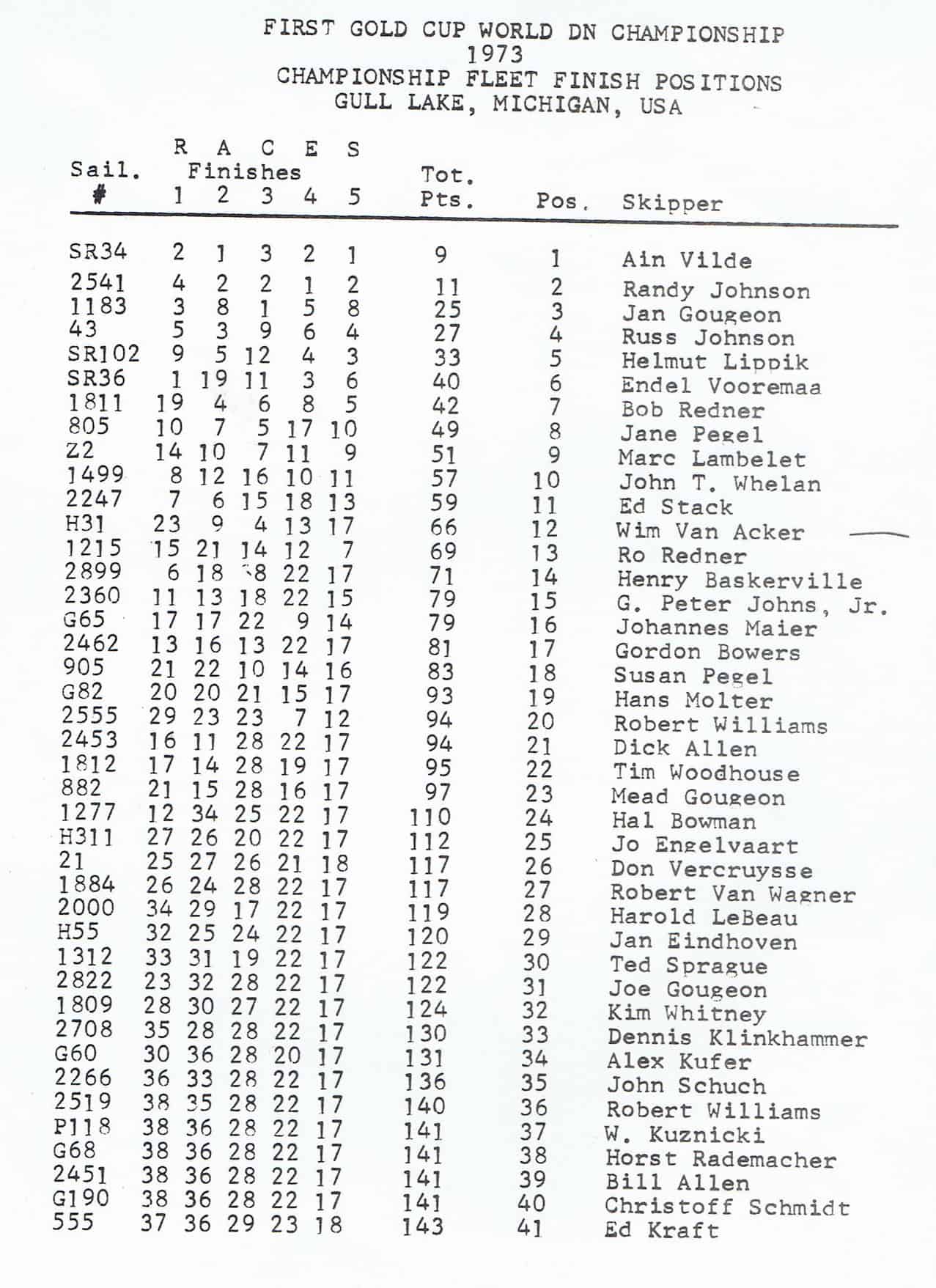
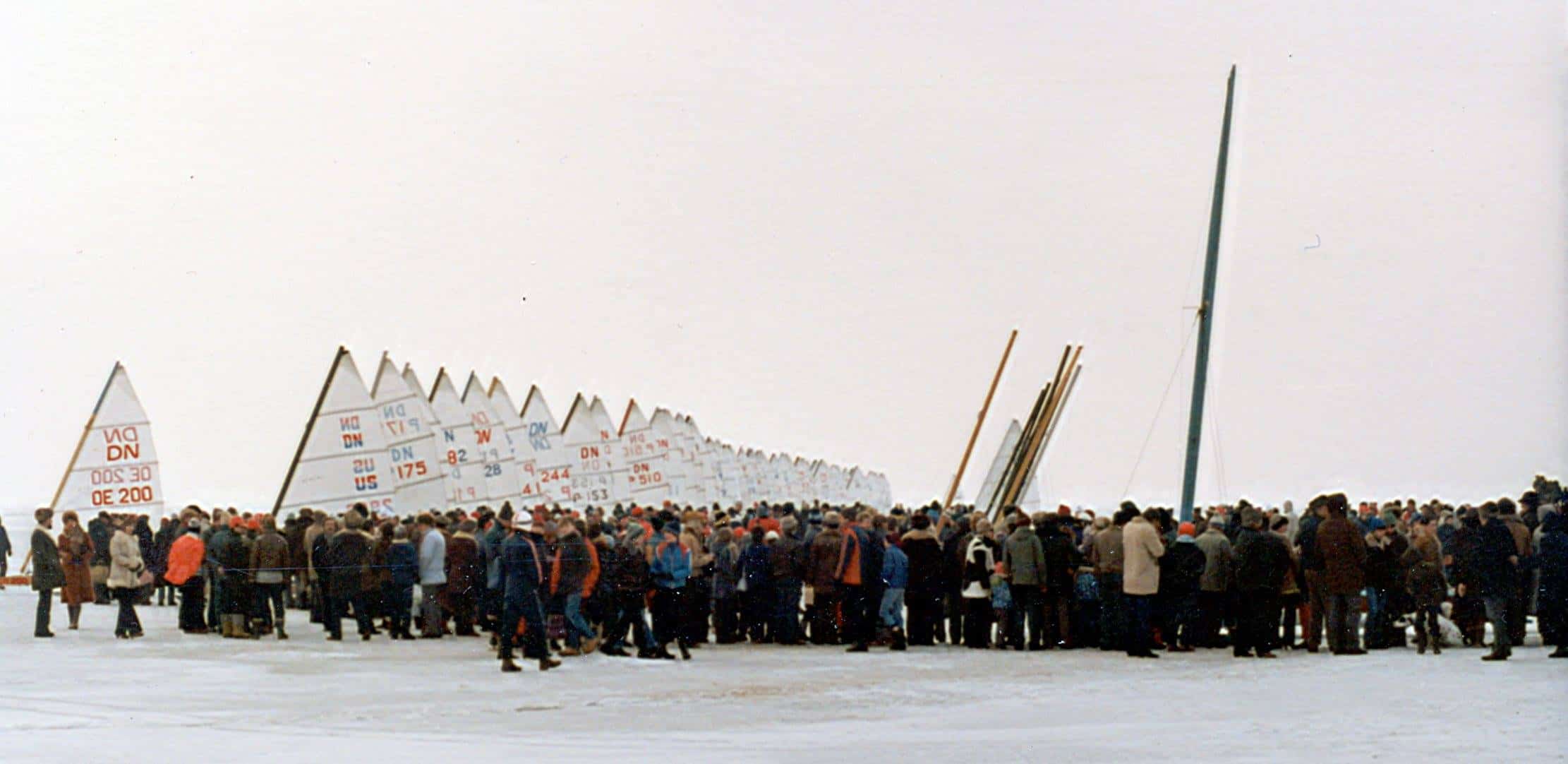
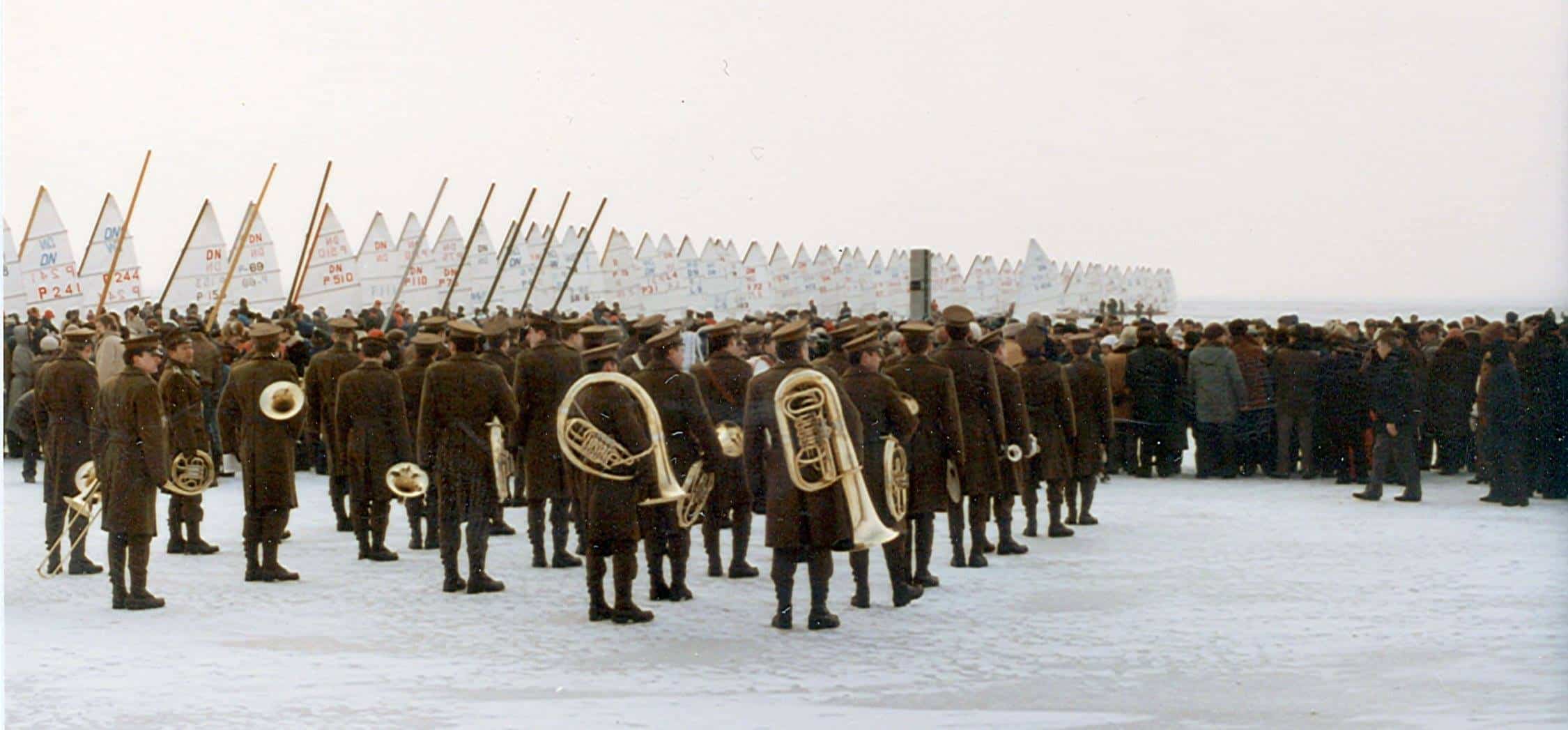
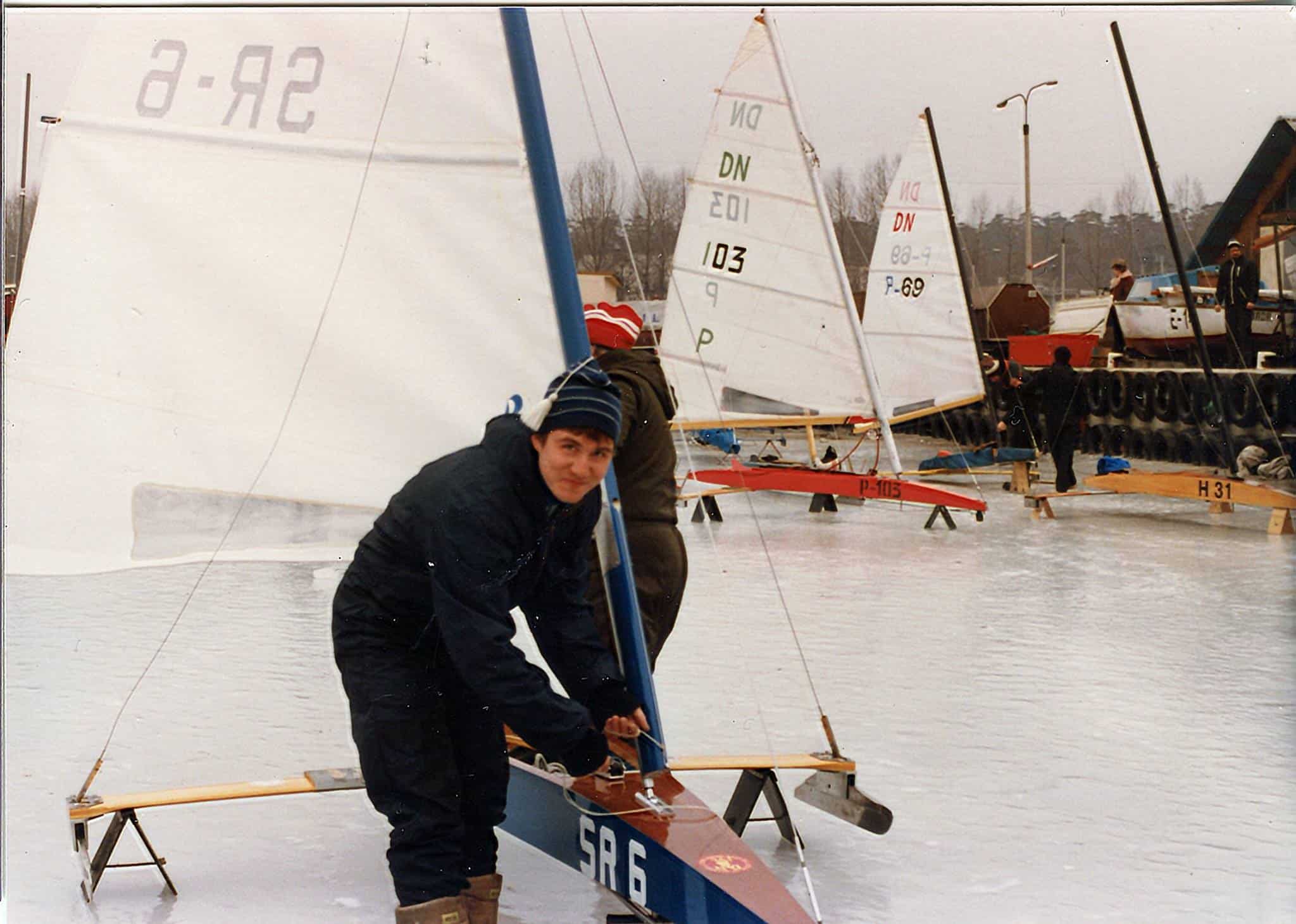
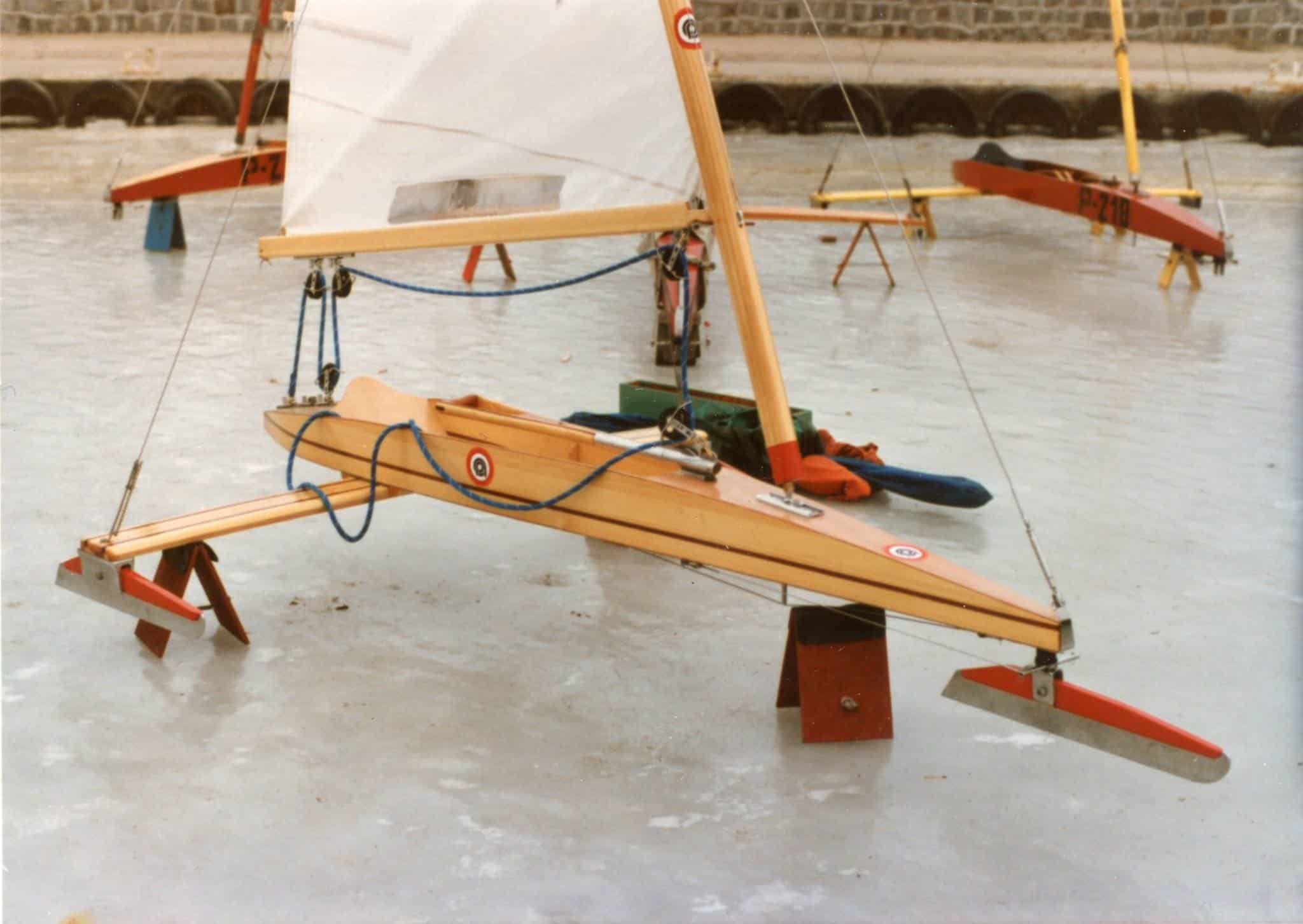
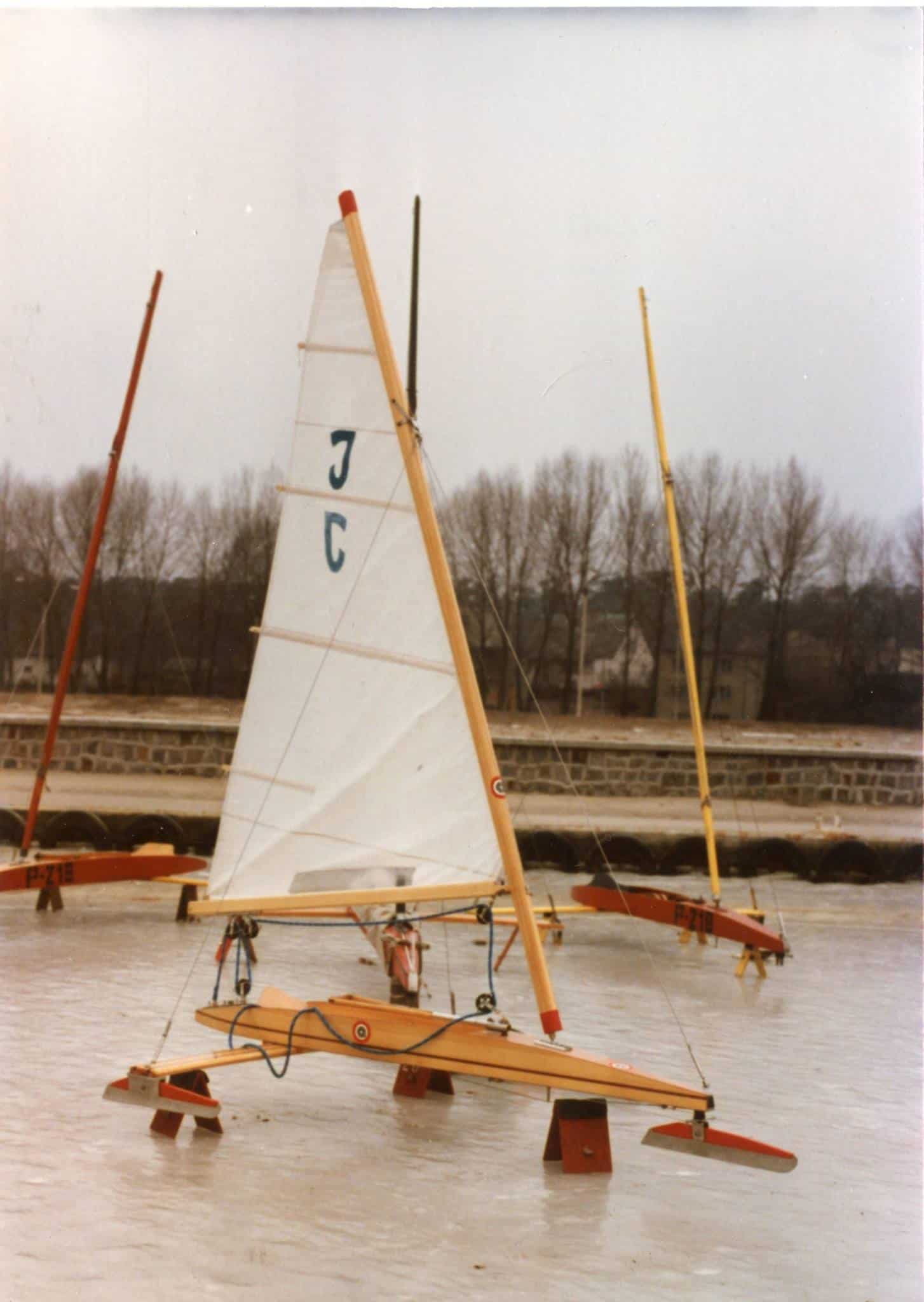
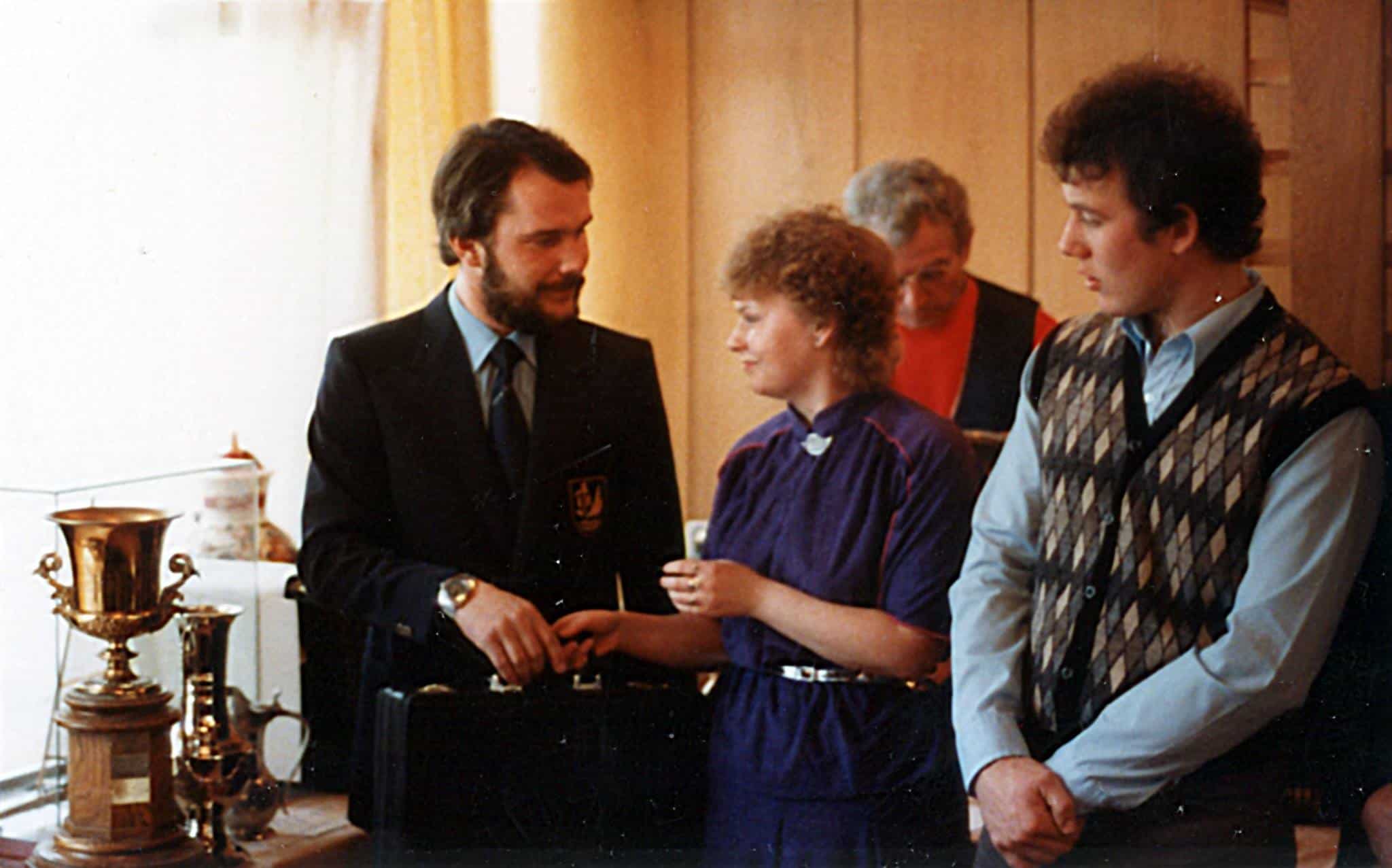
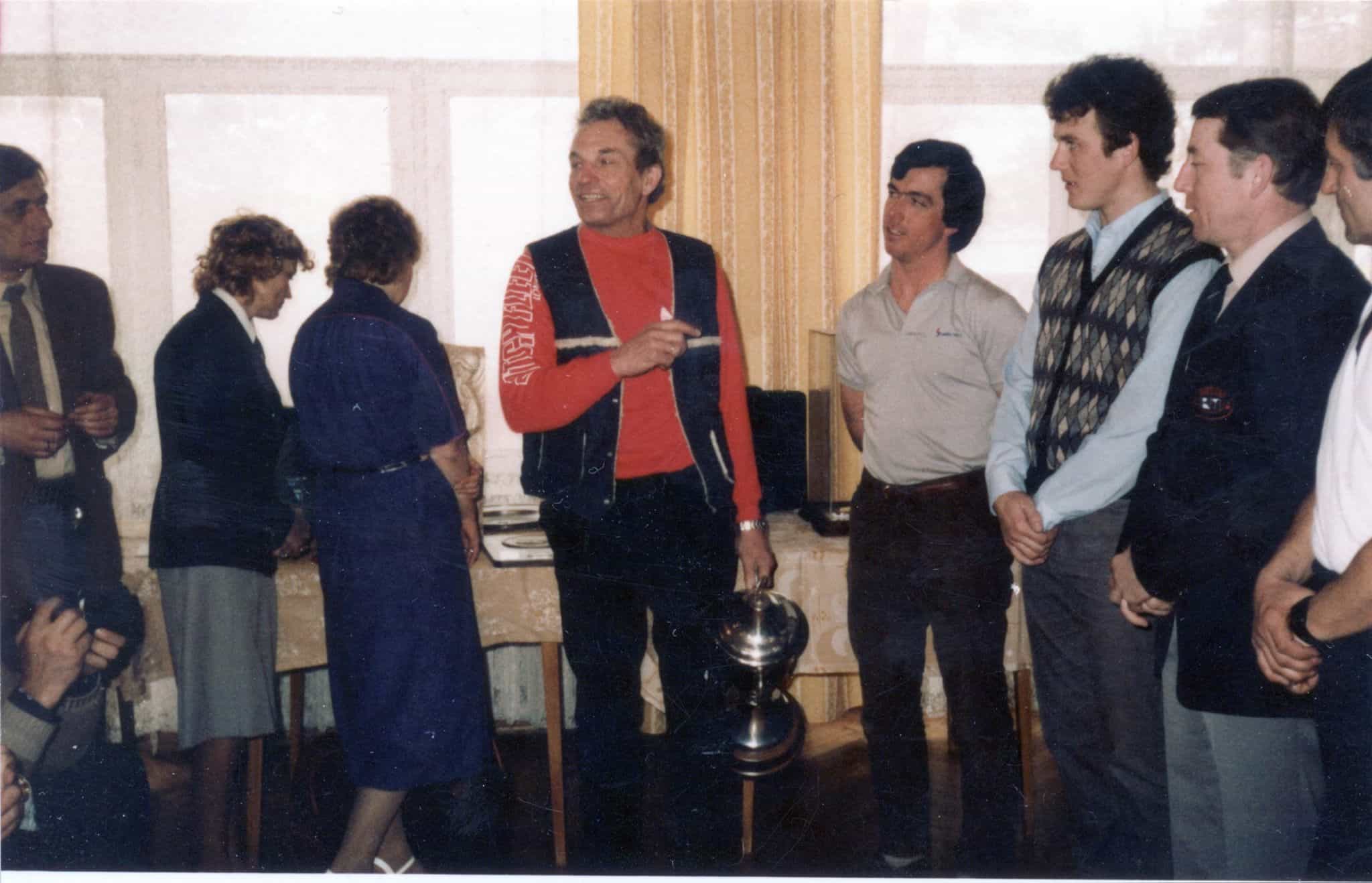
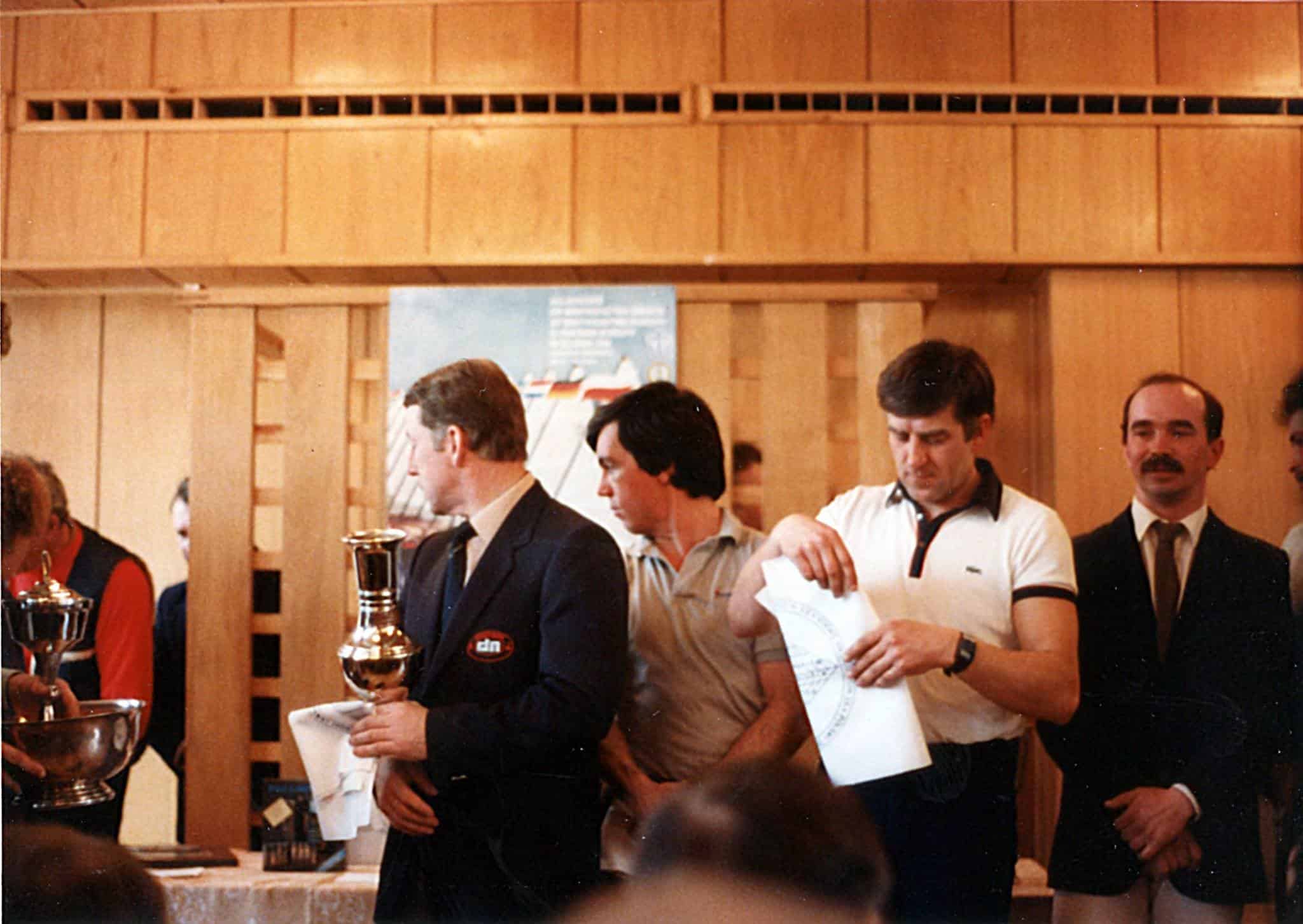
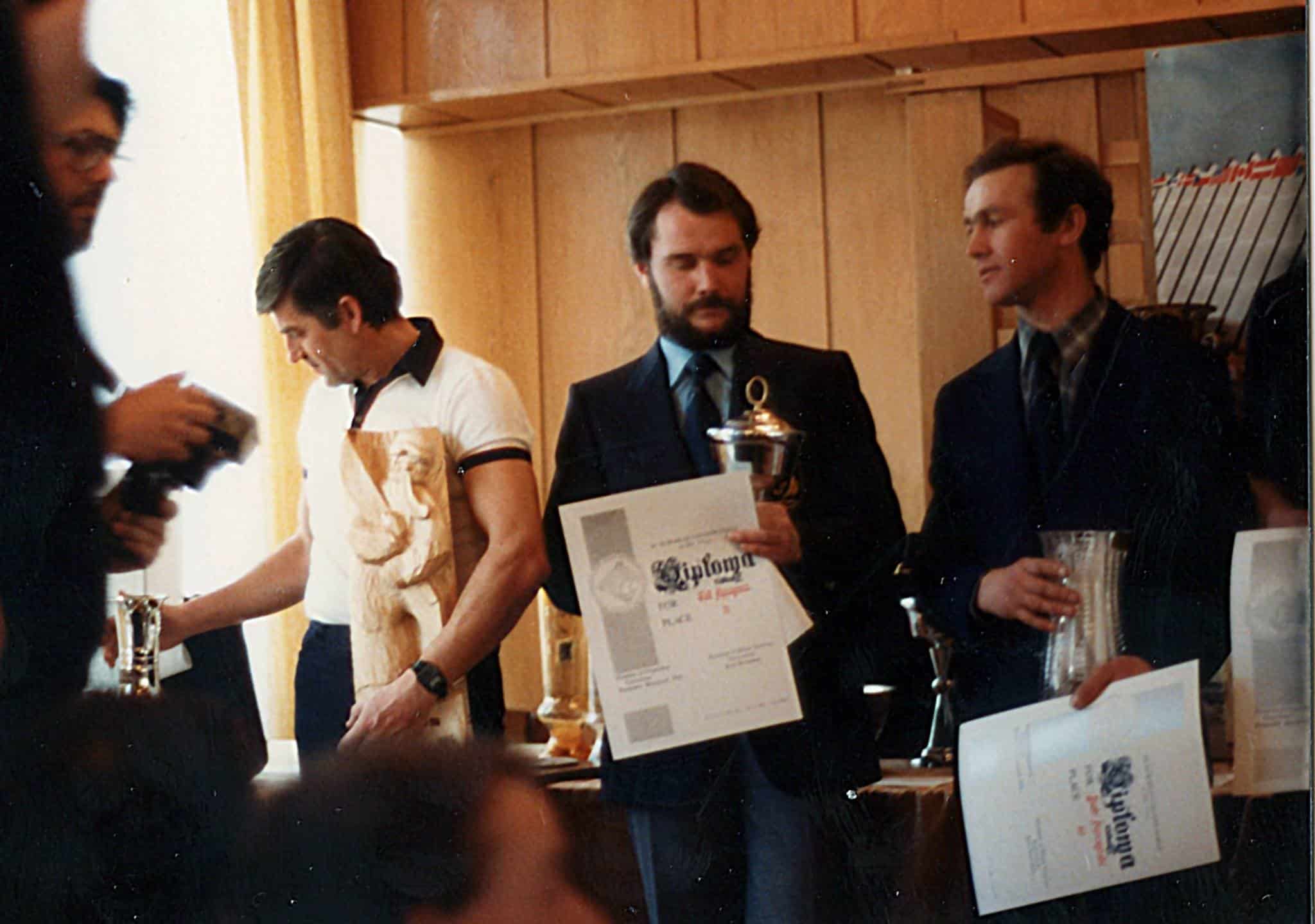
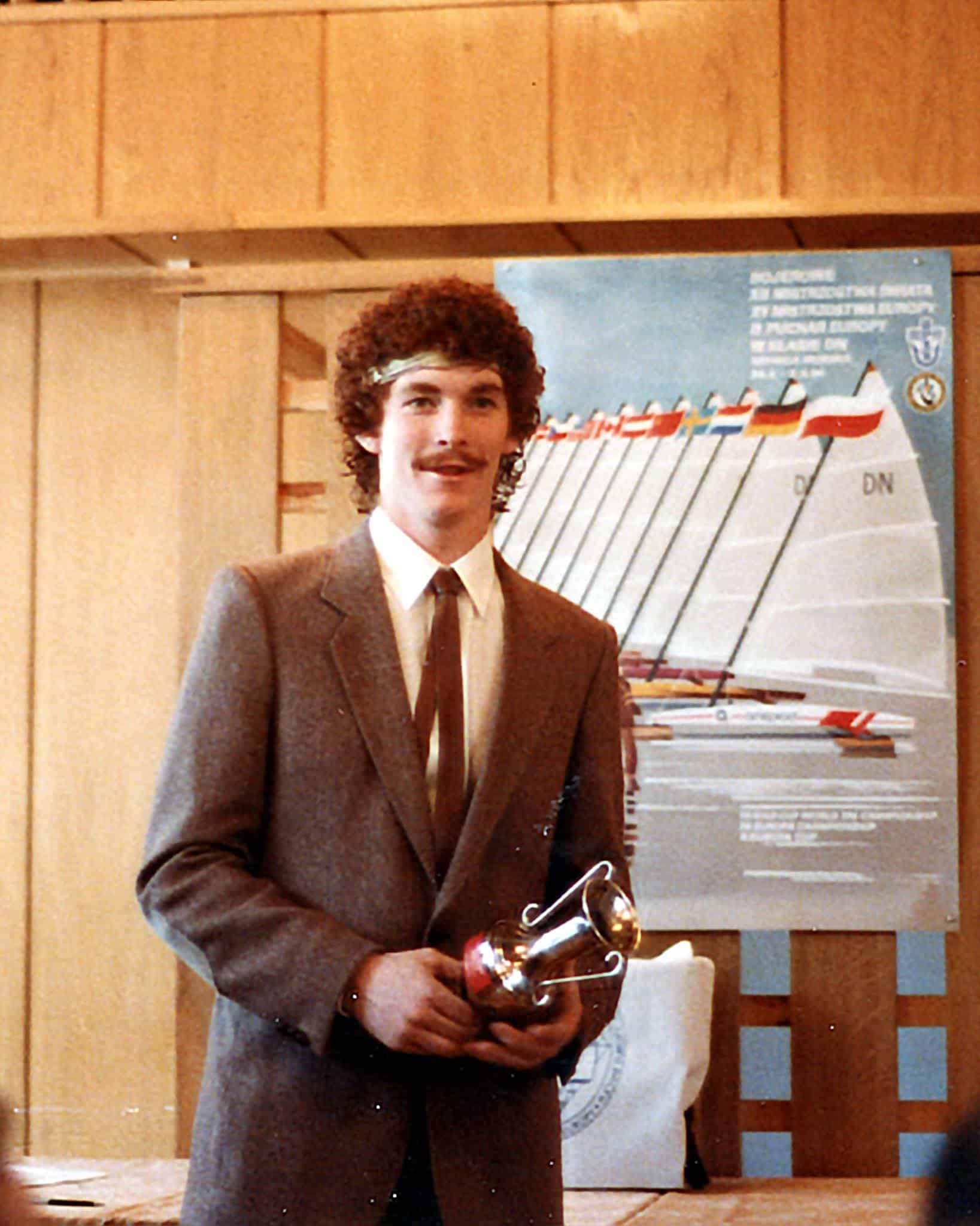
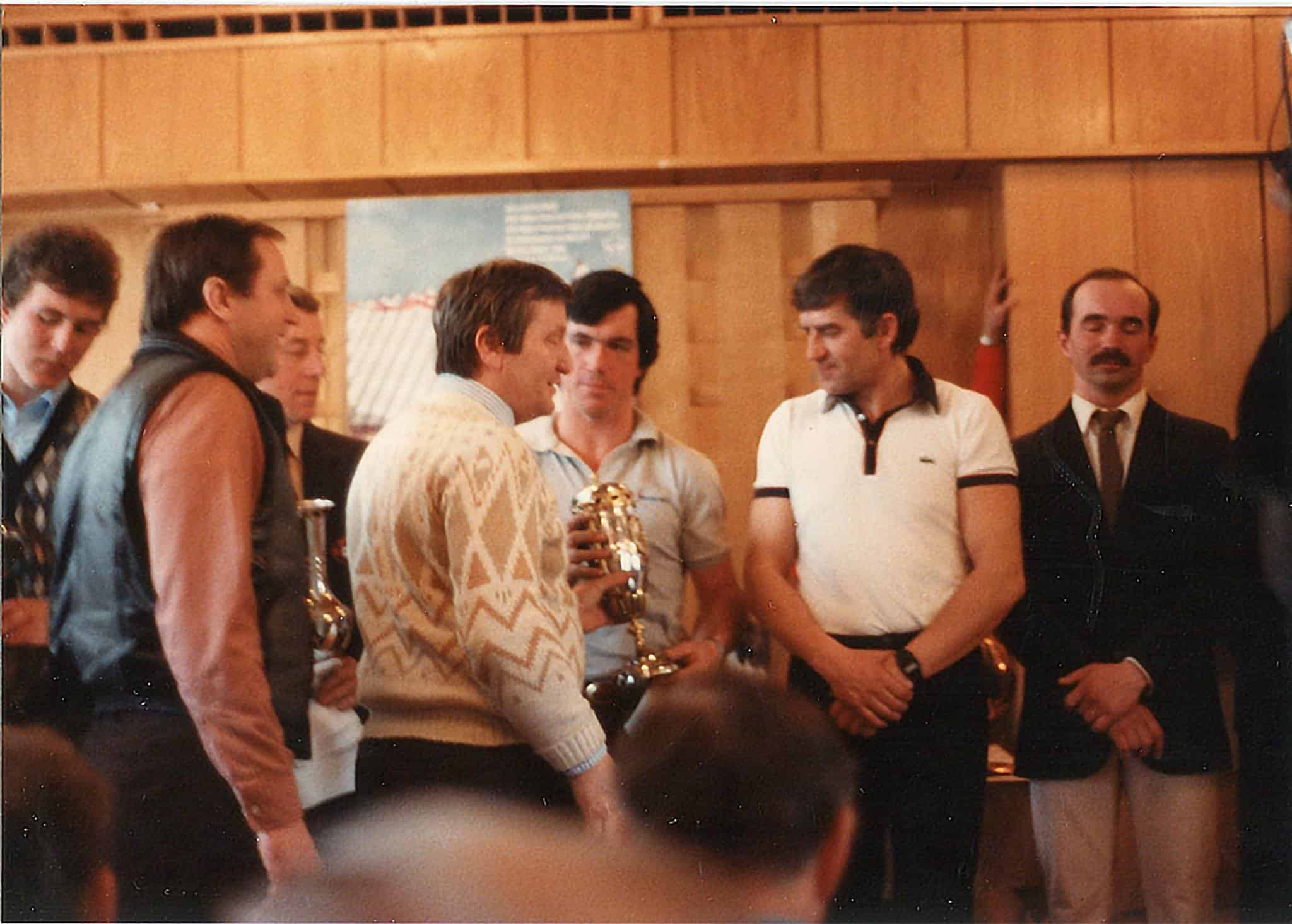
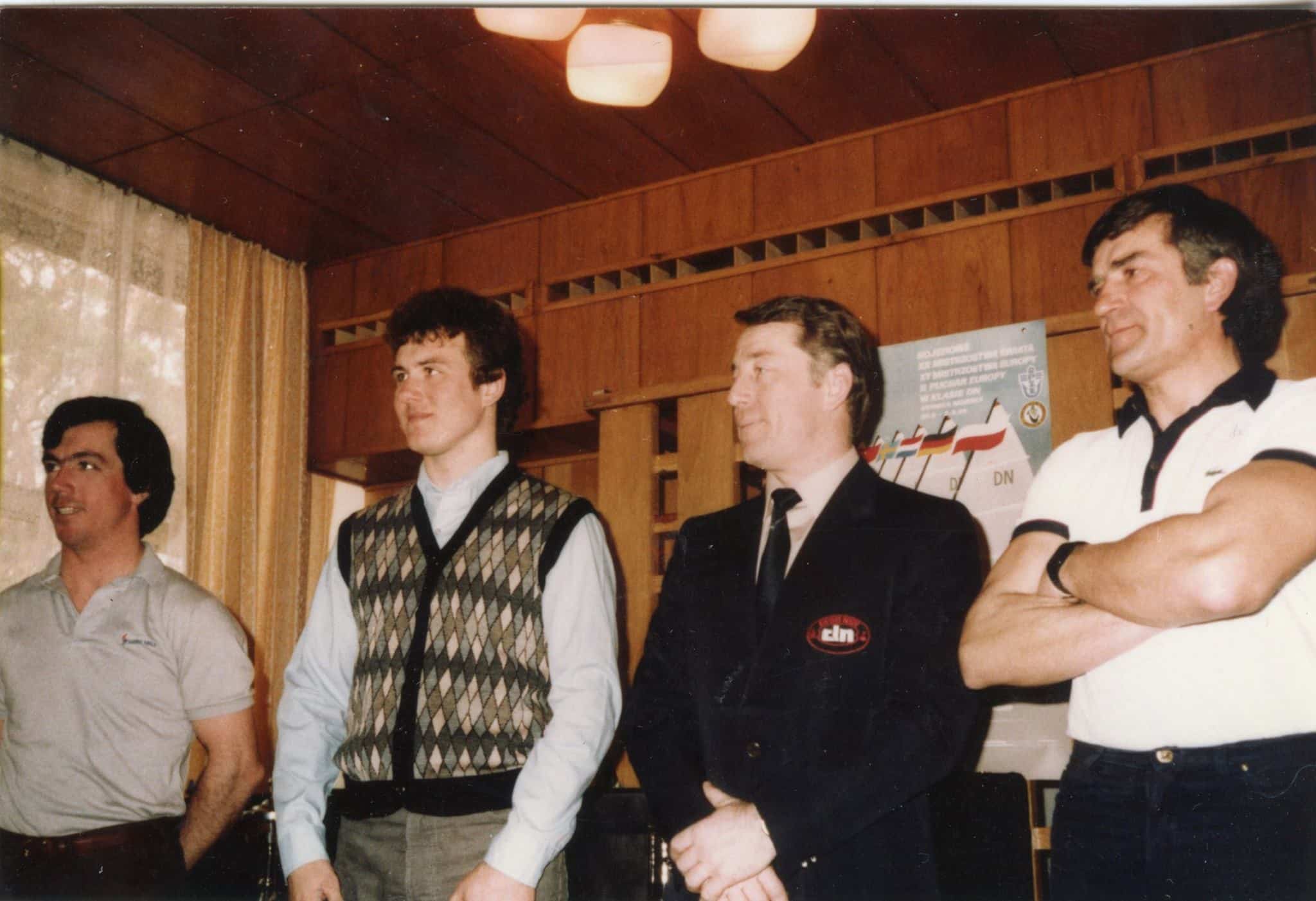
First winner of the Gold Cup in 1973: Ain Vilde, Estonia
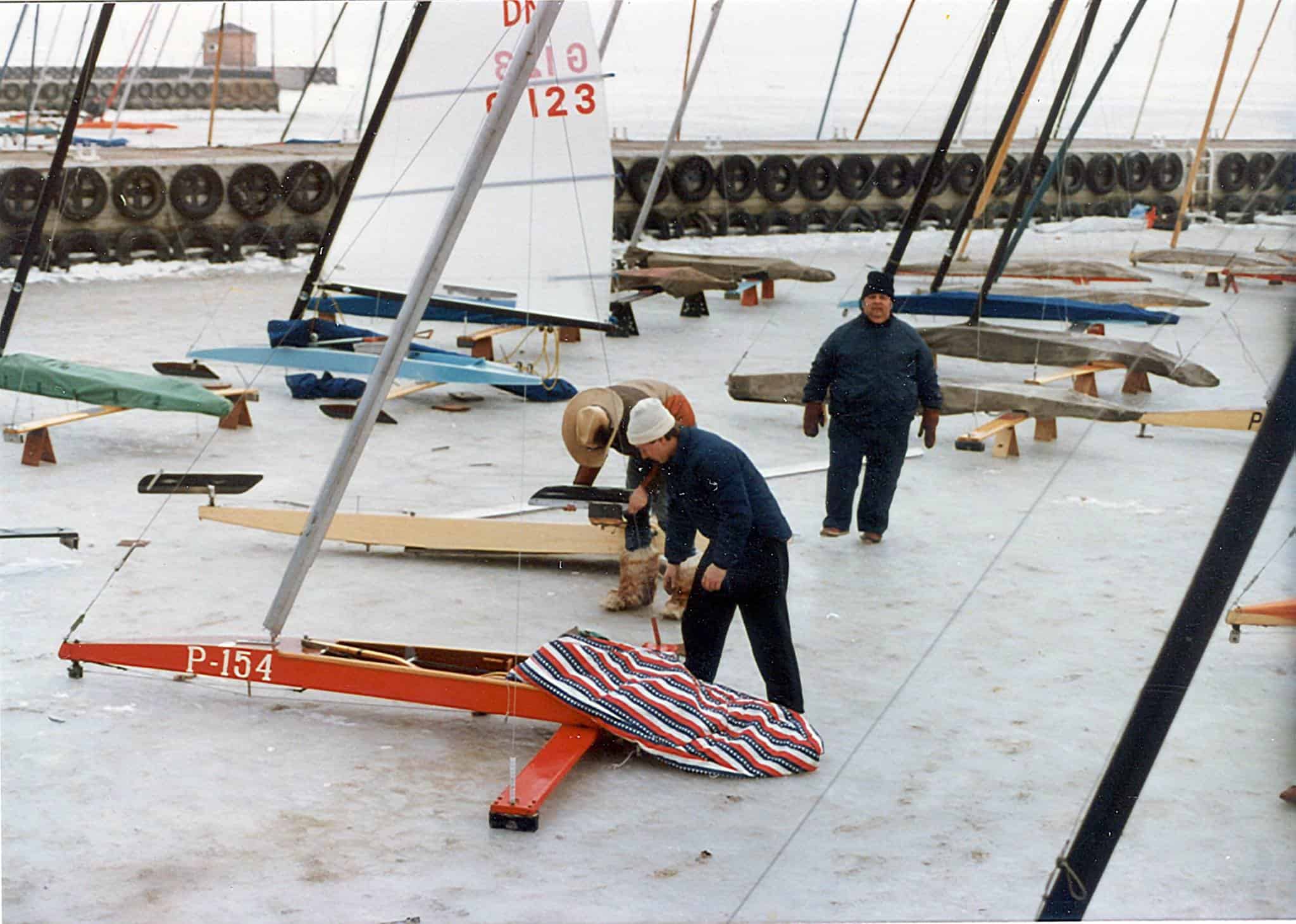
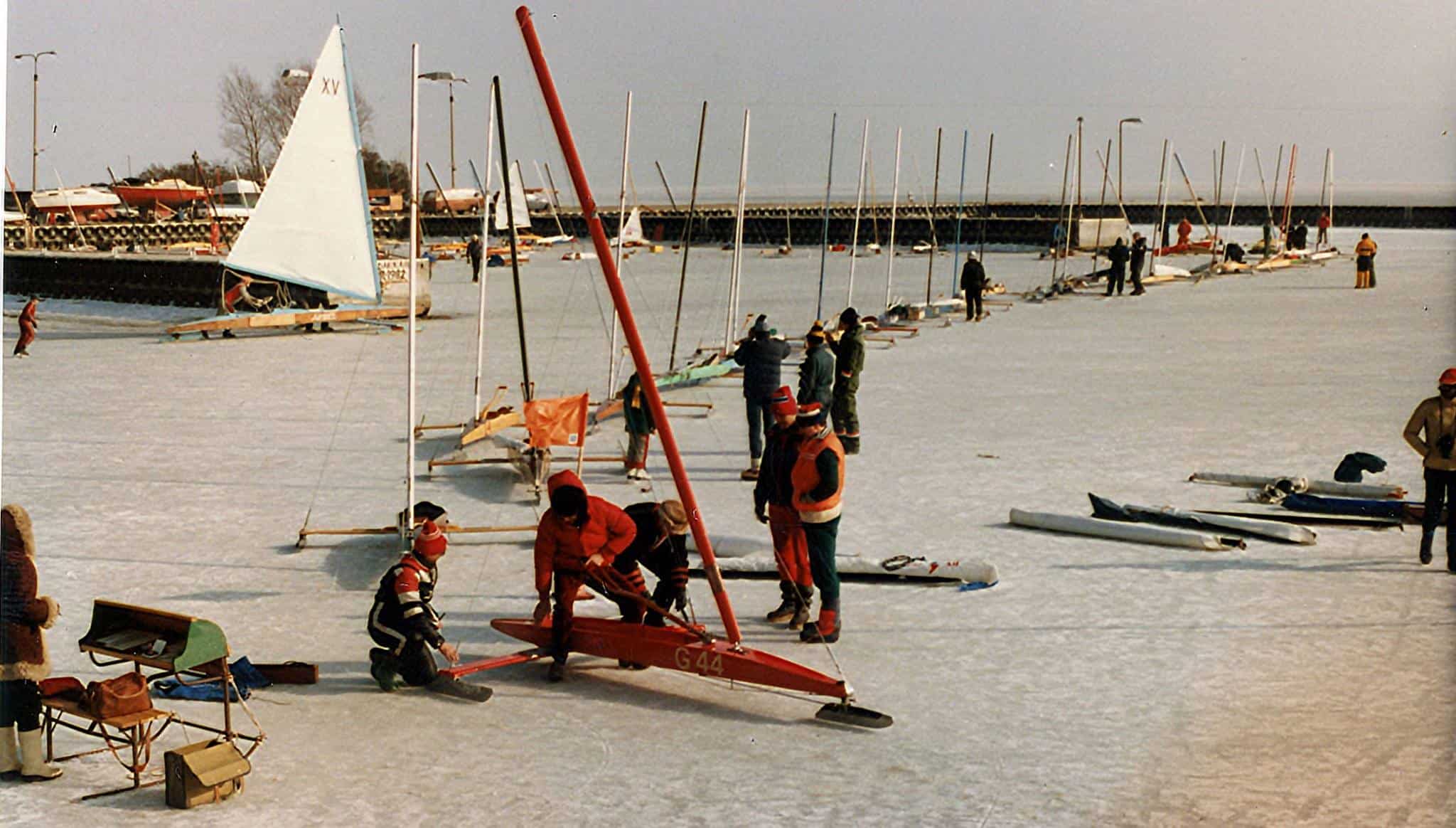
When the first DN Gold Cup was awarded in 1973, it was won by Estonia’s Ain Vilde, placing Estonia at the very foundation of the championship’s history. More than fifty years later, Rasmus Maalinn has added a second Estonian name to that list.
Those of us following from afar have been watching the results come in and holding our breath. The championship tightened, shifted, and refused to declare itself early. It could just as easily have gone Karol Jablonski’s way. With his record and his form this season, that outcome would have surprised no one. Every race felt consequential, every update recalculated in real time by sailors and supporters alike.
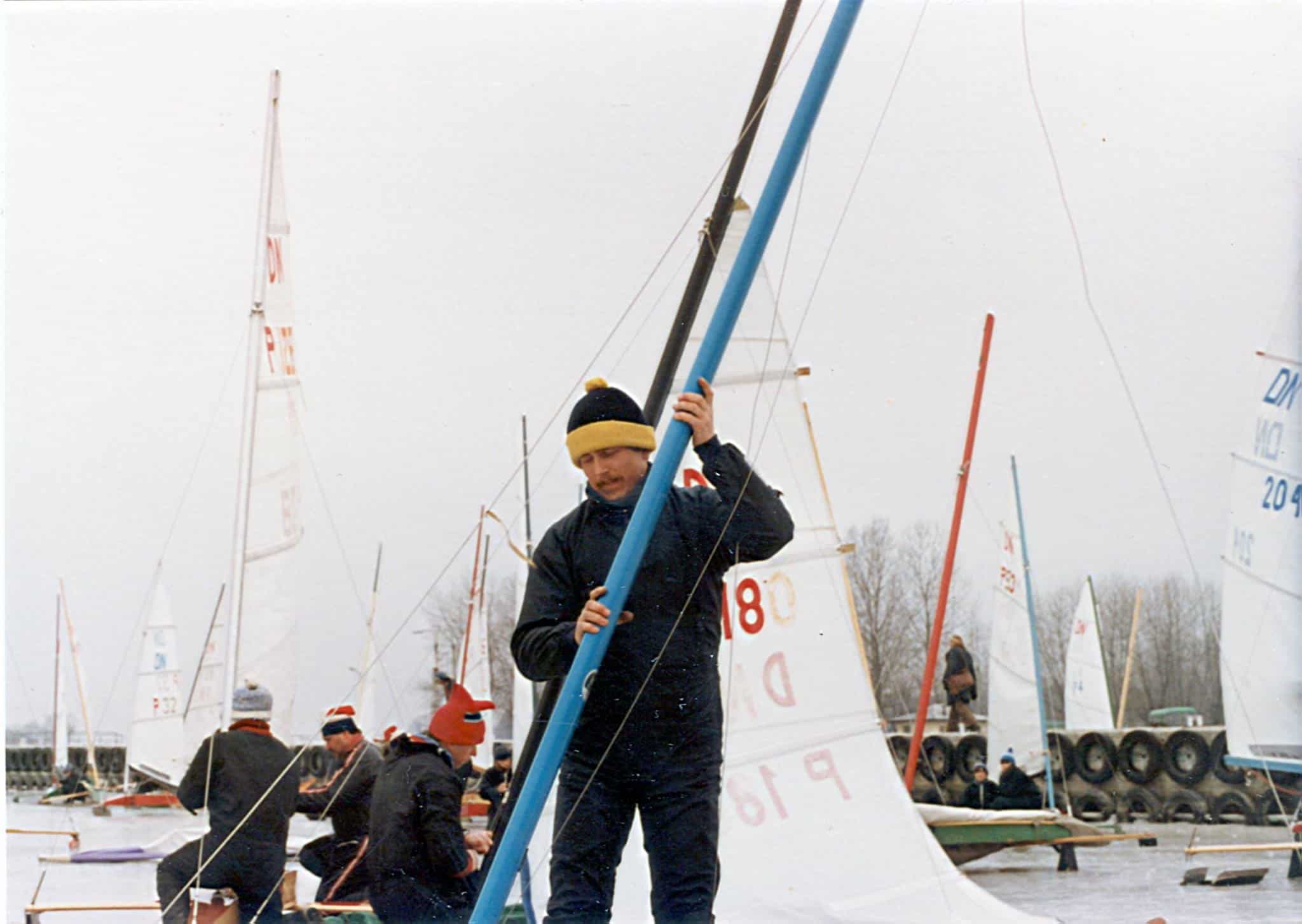
Maalinn closed it out. Five races in Poland settled the matter, and he emerged at the top of a fleet that included multiple former champions and some of the most experienced sailors in the class.
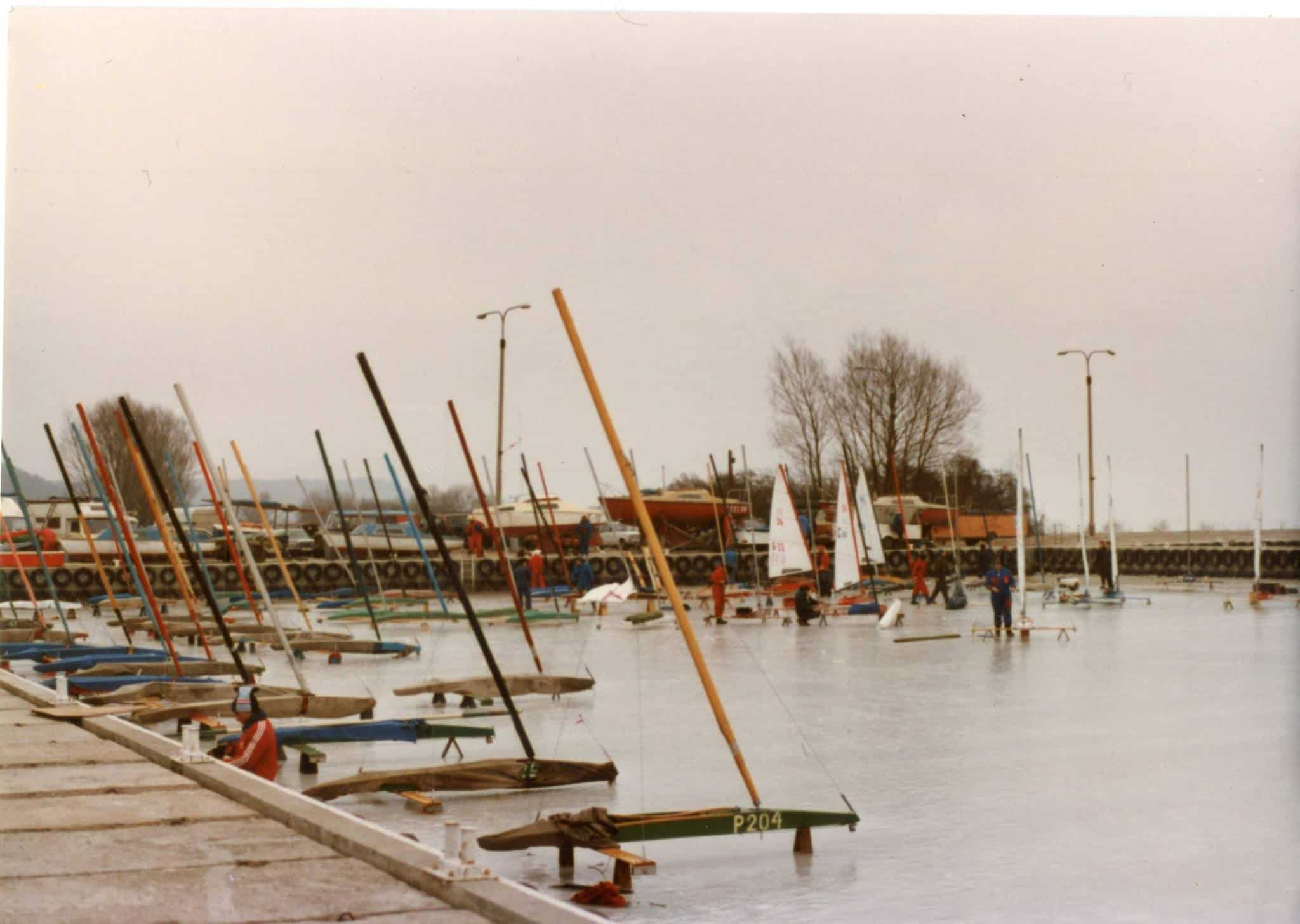
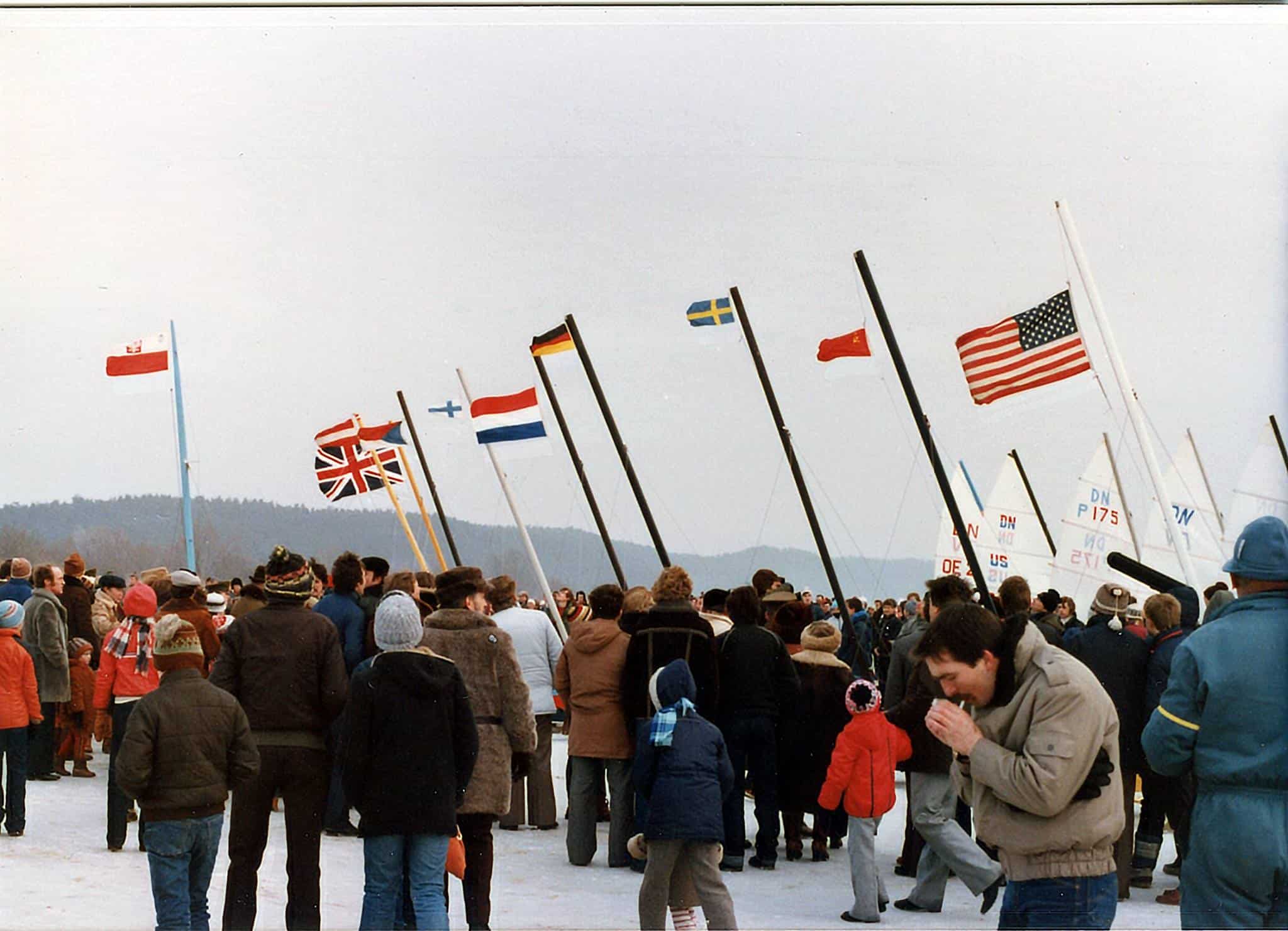
Planning this championship was challenging. Potential weather forced an early shift from Poland to Sweden, only for conditions to reverse and send the fleet back again. That kind of logistical whiplash tests organizers and sailors alike. Hotels rebooked, ferries reserved, scouting reports reassessed, equipment packed and unpacked. To remain focused through that uncertainty is its own challenge. And then to win, on Polish home ice, with expectations high and history close at hand, may be one of the most difficult things to do in this class. It demands not only speed, but steadiness in the face of constant disruption.
From Ain Vilde in 1973 to Rasmus Maalinn today, Estonia has now claimed the Gold Cup at the beginning of the story and again in its modern era.
A new World Champion, and a result that kept us all watching until the end.
Congratulations as well to Karol Jablonski for a hard-fought second place, once again proving why he remains the benchmark in this class. And to Estonia’s Argo Vooremaa for securing third, giving Estonia not just a champion but two sailors on the podium.
UDATE: There have been 2 other more recent Estonian winners, but they were listed as competing for the former USSR, now corrected to Estonia (USSR). Estonian sailors have stood on the top step before, with Ain Vilde in 1973 and later M. Kuulman and T. Haagma during the Soviet era. What distinguishes this title is that Maalinn has won it racing for an independent Estonia, bringing the story full circle in a new political era.
While the Gold fleet drew much of the spotlight, the B and C fleets produced impressive performances of their own. In C Fleet, Poland’s Laura Banach (P-102) claimed the top position, followed by Switzerland’s Bernard Vananty (Z-124) in second and Finland’s Kimmo Viljamaa (L-147) in third. In B Fleet, Switzerland’s Maxime Bachelin (Z-119) took the win, with Sweden’s Tom Hogard (S-906) finishing second and Sweden’s Tomasz Flisiak (S-878) securing third. Congratulations to all for navigating a championship that demanded resilience and composure from every fleet.
RESULTS
A Fleet
B Fleet
C Fleet